Artificial intelligence is everywhere right now.
New tools. New promises. New predictions about how work will change.
Some organizations are rushing to automate decisions. Others are hesitant, worried about losing the human element entirely.
Both reactions miss something important:
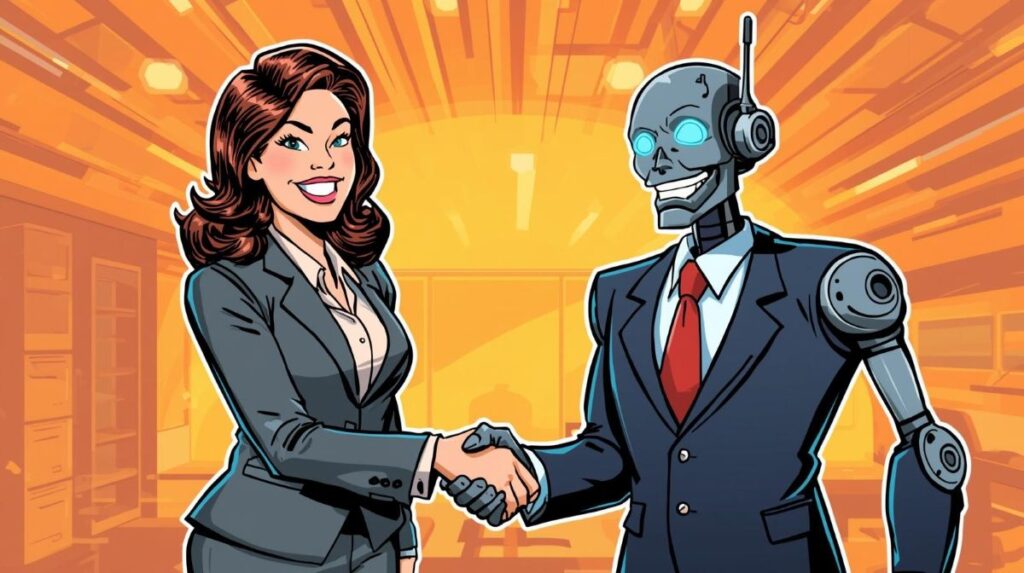
AI isn’t at its best when it replaces human judgment. It’s at its best when it strengthens it.
And in talent decisions — hiring, development, leadership — human understanding still matters more than automation.
The Fear Around AI Isn’t Really About Technology
When leaders talk about AI in the workplace, the concern usually isn’t the technology itself.
It’s control.
Will AI make decisions for us? Will systems start labeling people instead of understanding them? Will human nuance get lost in automation?
Those concerns are valid — especially when AI is positioned as a replacement for thoughtful leadership.
But the real opportunity isn’t removing humans from the equation.
It’s removing guesswork from it.
Where AI Actually Helps Talent Systems
The biggest challenge in workforce strategy isn’t a lack of data.
It’s a lack of clarity.
Leaders are overwhelmed with:
- dashboards
- assessments
- surveys
- performance metrics
- engagement tools
AI has the potential to bring those signals together — not to decide for leaders, but to help them see patterns faster.
Used responsibly, AI can:
- surface insights leaders might miss
- reduce administrative friction
- connect information across systems
- highlight opportunities for development
- support smarter conversations
But insight is only valuable when grounded in real human understanding.
Why Human Context Still Matters Most
No system — AI included — can replace the complexity of how people think, grow, and contribute.
People aren’t just data points. They’re decision-makers, collaborators, and creators.
That’s why human-centered frameworks like Talent Wiring remain essential.
AI can help organize and interpret information. Talent Wiring provides the structure that ensures those insights stay rooted in how people are actually wired to operate.
Together, they create balance: technology that accelerates understanding without removing human judgment.
The Future Isn’t AI vs Humans — It’s AI Supporting Humans
The organizations moving forward successfully aren’t asking:
“How do we automate talent decisions?”
They’re asking:
“How do we give leaders better visibility so they can make better decisions?”
AI becomes powerful when it:
- enhances coaching conversations
- supports alignment
- reduces noise
- strengthens clarity
Not when it replaces accountability or leadership.
A Human-First Approach to AI
As AI becomes part of more workplace systems, the real differentiator won’t be who uses AI first.
It will be how they use it.
Organizations that treat AI as a thinking partner — not a decision-maker — will build more trust, more engagement, and more sustainable performance.
Because technology should never take people out of the equation.
It should help us understand them better.
The Takeaway
AI isn’t here to run talent strategy.
It’s here to make insight faster, clearer, and more actionable while humans remain firmly in control of the decisions that shape work and careers.
The future of work isn’t automation without people.
It’s technology designed to support how people actually work best.
Curious how human-first insight and responsible AI can work together to strengthen talent decisions? Stay tuned — we’re just getting started.