Something subtle, but important, is happening inside modern organizations.
The job is changing.
But the role isn’t keeping up.
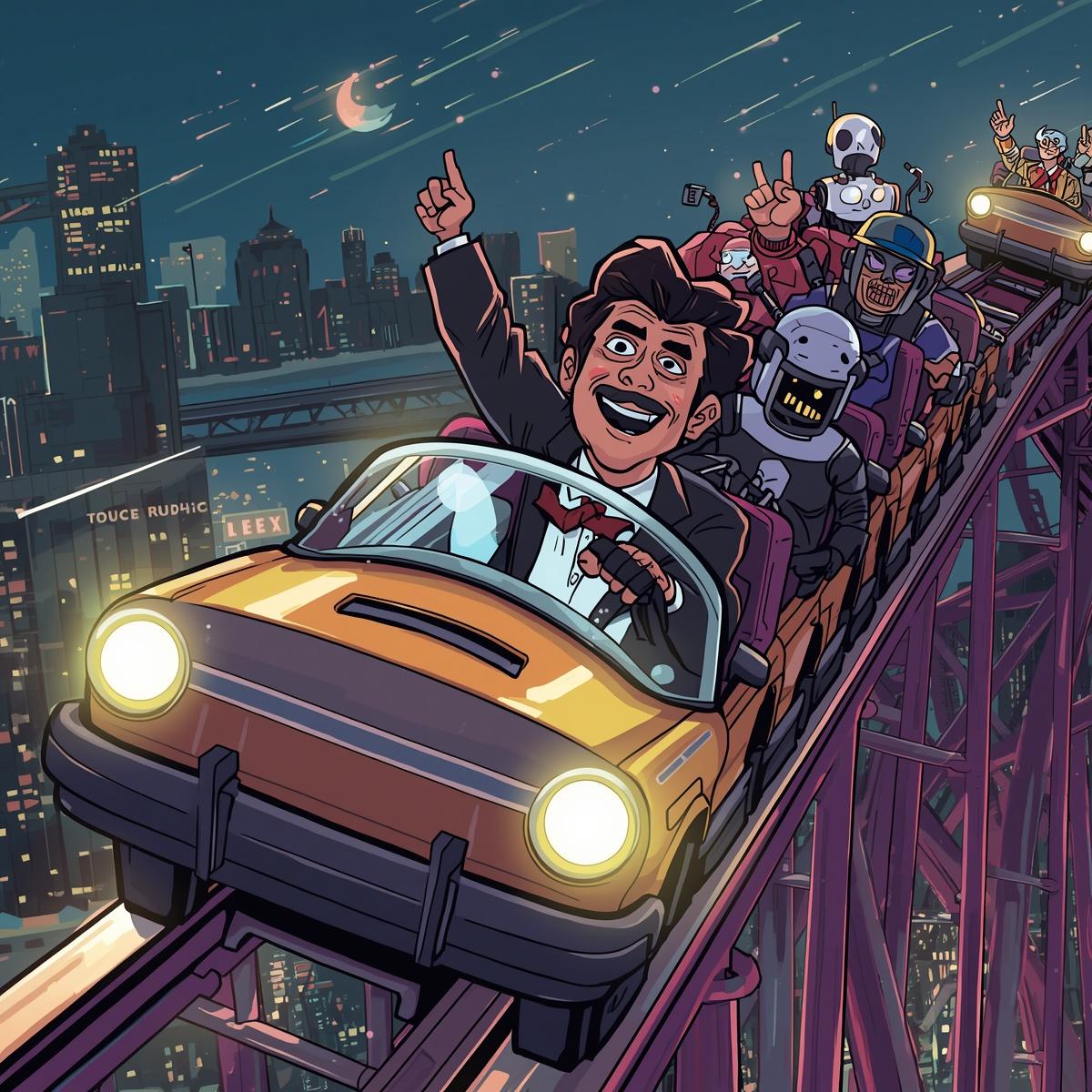
The Work Has Started Moving Faster
Over the past few years, work has accelerated dramatically.
New tools. New expectations. New ways of getting things done.
AI has only amplified this shift.
Tasks that used to take hours now take minutes. Decisions are made faster. Output has increased across nearly every function.
From the outside, it looks like progress.
And in many ways, it is.
But underneath that speed, something else is happening.
Roles Are Falling Behind
While work is evolving quickly, most roles are still defined the same way they were before.
Job descriptions remain static. Expectations are loosely updated. Responsibilities shift without being clearly redefined.
So employees are left trying to navigate:
- work that looks different every month
- expectations that aren’t clearly aligned
- responsibilities that expand without structure
Not because leaders are doing anything wrong.
Because the system hasn’t caught up with the pace of change.
When the Job and the Role Don’t Match
This creates a quiet but powerful form of misalignment.
Someone may look like they’re struggling in a role…
When in reality, the role itself has changed.
What used to be:
- structured work
- predictable output
- clearly defined expectations
Has become:
- fast-moving
- ambiguous
- constantly evolving
And not everyone is wired to operate the same way in that kind of environment.
Why This Is Getting Harder to Ignore
As work continues to speed up, this gap becomes more visible.
Leaders may notice:
- inconsistent performance
- confusion around ownership
- teams working hard but not aligned
- employees succeeding one month and struggling the next
The instinct is often to treat this as a performance issue.
But in many cases, it’s not.
It’s a role clarity problem.
The Shift Leaders Need to Make
The question is no longer just:
“Is this the right person for the role?”
It’s becoming:
“Does this role actually reflect the work that needs to be done today?”
And:
“Is this person wired to succeed in the version of the job that now exists?”
That’s a more complex question.
But it’s also a more accurate one.
Where Talent Wiring Fits In
This is where Talent Wiring becomes increasingly important.
Because when roles are changing faster than they can be redefined, leaders need a more stable reference point.
Not just job descriptions.
But how people are naturally wired to:
- adapt
- make decisions
- handle ambiguity
- create value in dynamic environments
That insight doesn’t change every time the job evolves.
It provides clarity even as everything else shifts.
The Takeaway
The challenge most organizations are facing isn’t just about hiring better people.
It’s about recognizing that the work itself has changed — and adjusting how roles and expectations align with that reality.
Because when the job and the role drift apart, performance becomes harder to understand.
But when alignment is restored, everything starts to make more sense again.
As work continues to evolve, the question becomes: are your roles evolving with it?
Because the future of work won’t wait for definitions to catch up. Click here to learn how iWorkZone can deploy you with an adequate armory of tools, today.